Nature Walks for Children

Pankaj Singh
| 09-05-2026
 · Lifestyle Team
Nature walks give children more than fresh air and movement—they offer a shared experience of discovery. When children explore outdoors, their natural curiosity grows.
Simple questions can help them observe their surroundings more deeply and become more aware of the world around them. These moments help children slow down and truly notice details they would normally overlook. Over time, this strengthens their attention, imagination, and connection to nature.
It also encourages them to ask more questions about what they see. This makes learning feel natural and enjoyable rather than forced.
Exploring Through the Five Senses
We can help children connect with nature more deeply by encouraging the use of all their senses.
They can observe colors, shapes, and textures in plants, trees, and open spaces. Listening is just as important—bird sounds, wind moving through branches, and soft natural rhythms create a rich sound environment.
Touch helps children understand differences in texture, such as rough bark, smooth stones, or soft grass. Smell adds another layer, from fresh soil after rain to light plant fragrances. In safe environments, tasting natural edible plants under supervision can also be part of learning.
When multiple senses are engaged, children build a clearer and more complete understanding of their surroundings.
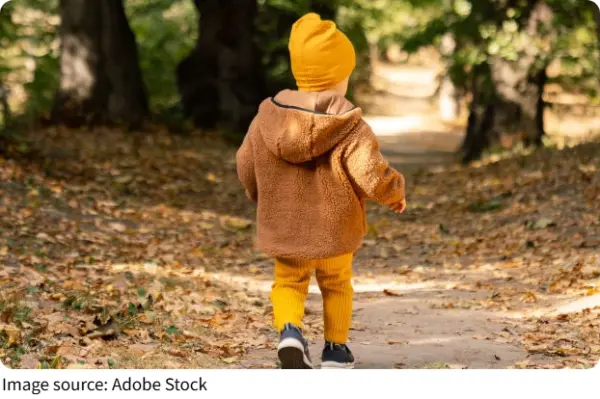
Learning Through Play and Imagination
Children often learn best when exploration feels like play.
We can turn a walk into a simple discovery activity, such as finding leaves with different shapes or spotting natural objects with unique patterns. This keeps children engaged while encouraging careful observation.
Storytelling is another helpful approach. We can invite children to imagine that trees, plants, and small animals are part of a living story world. This encourages emotional connection and creativity.
Drawing is also meaningful. When children sketch what they see, they naturally slow down and pay attention to details. A small notebook can become a personal nature journal filled with observations and impressions.
Respecting Living Environments
As we explore, we also guide children to understand respect for nature.
We can explain that plants grow slowly and need time, and that small creatures have their own roles in the environment. Because of this, we avoid unnecessary picking or disturbing living things. Instead, we encourage quiet observation. This helps children understand that nature is something to appreciate and care for, not something to change without reason.
Skills Developed in Outdoor Experiences
Outdoor exploration supports many important skills in childhood development.
Observation improves when children focus on small details like leaf patterns or insect movement. Curiosity grows when they ask questions and explore answers together with us. Imagination becomes stronger through storytelling and creative thinking during the walk.
We can also introduce simple natural ideas, such as how plants grow or how different parts of an ecosystem connect. Patience and focus develop when children wait quietly to observe changes or small events in nature.
These experiences help build strong foundations for lifelong learning.
How We Support the Experience
We can make outdoor learning more engaging by bringing simple tools like a magnifying glass or a basic nature guide. These tools help children observe more closely and recognize what they discover.
Even more important is our presence. When we explore together, children feel supported and more confident to ask questions and share thoughts.
The goal is to keep learning enjoyable. When children enjoy the experience, their natural interest in the world around them grows stronger and more lasting.
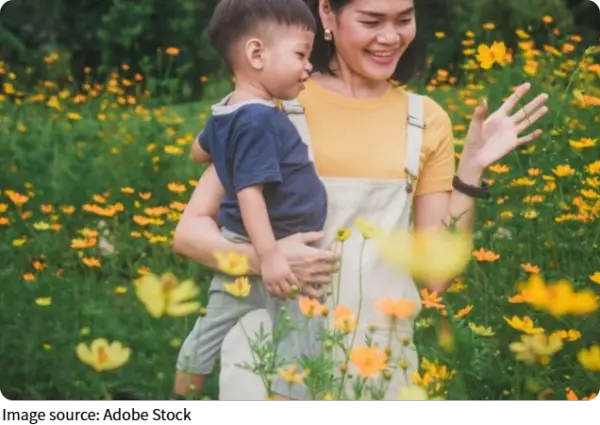
Nature walks create meaningful shared experiences that strengthen curiosity, awareness, and respect for the natural world. These simple outdoor moments support children’s learning and help shape how they understand and connect with nature as they grow.